Creative credibility →
Ensuring content has credibility, originality and accuracy
The ease and access to AI generative tools, is leading to a saturation of our media with synthetic content. We are entering an age where we doubt the source and credibility of content and news, leading to a lack of trust.
The creation of art is also being effected, where AI is seen as a shortcut for creation, potentially leading to the arts being 'soulless'.

Media trust
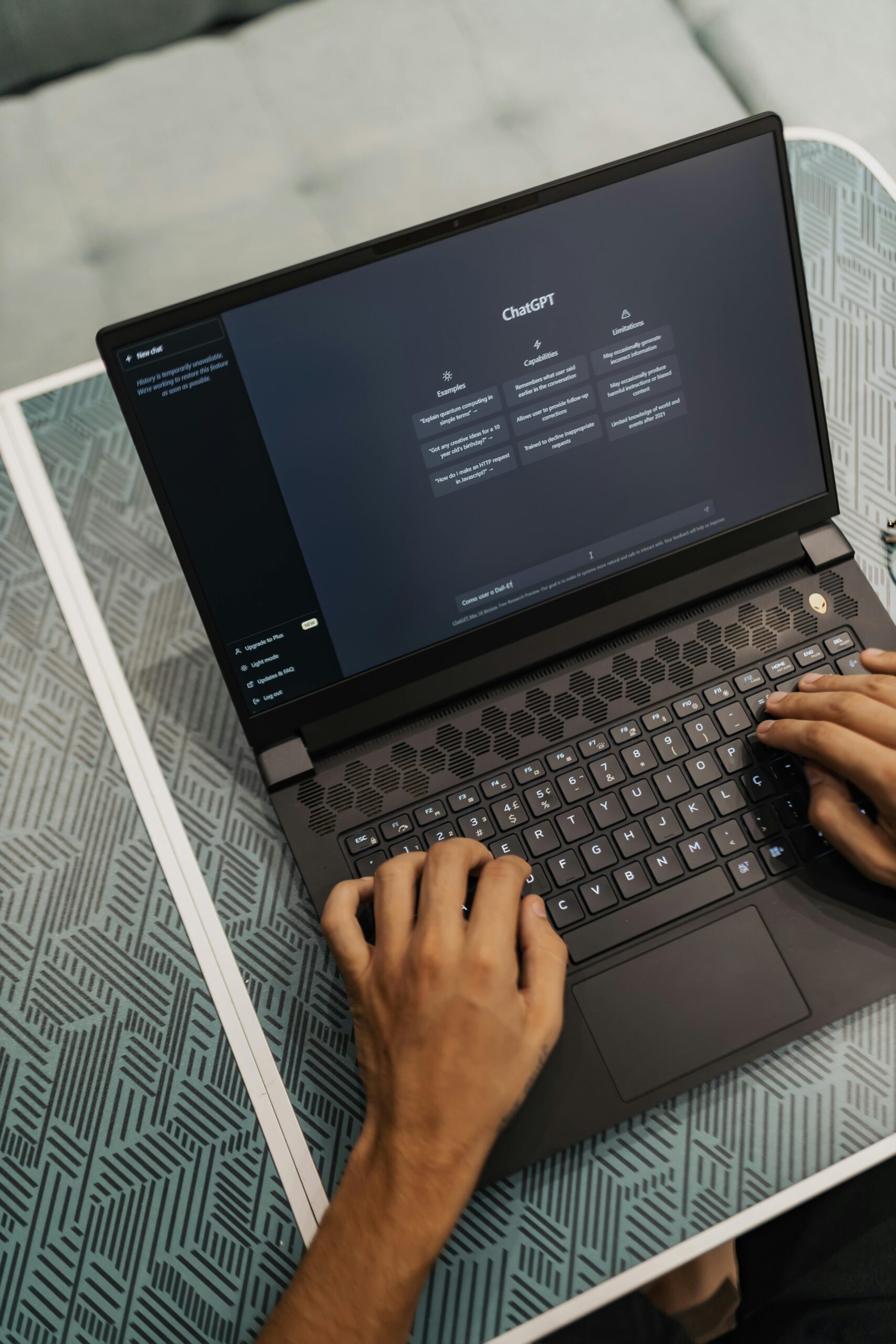
With large media groups and agencies producing an increasing amount of their media using AI, consumers have begun to question the source and credibility of everything they are interacting with. Some reports, have noted up to 60% of consumers are expressing distrust in AI-driven journalism.
There is a potential major psychological shift, where AI is worsening an already fragile trust environment, as audiences struggle to differentiate between human and synthetic content.
Key Statistic (Source: Click here).
%
UK people are concerned about misinformation and deep fakes
Worst-case scenario:
Consumers cannot differentiate between human and synthetic content, so completely lose trust in media, particularly news and journalism. People become highly pessimistic and unreactive to all forms, leading to a downturn in interaction, effecting all forms of media (inc. social).
Best-case scenario:
New products are developed to help consumers understand the source and credibility of media, allowing them to make fair decisions on how to react to different types of media.
Content generation
With AI tools becoming easily accessible consumer products, the generation of content (particularly social media) is becoming synthetically driven. It gives the opportunity to everyone to produce an infinite amount of content, in terms of volume and context.
This is leading to a reduction in 'real' content, which is often lost between synthetic posts. We're yet to understand the true effects of this, with some reports expressing higher user-engagement rates, whereas, others are reporting a drop in overall trust in content.
Key Statistic (Source: Click here).
%
Of all social media content is AI-generated (2025)
Worst-case scenario:
Media, especially social platforms, become saturated with synthetic (AI created) content, leading to long-term mistrust for content, removing credibility.
Best-case scenario:
The rise in high-quality content creation leads to the development of complimentary products to help consumers differentiate between 'real' and AI content.
Art and creativity
The involvement of artificial intelligence (particularly generative AI) has been noted to bring the capability of art creation to those less 'equipped'. For example, allowing people who are untrained to use prompts to artificially create similar output.
However, most people believe the creation of art should be viewed from a more 'purist' perspective. Generative systems can only, by definition, draw from existing data and therefore can never be original. There is also great debate that AI art only serves to highlight the more negative traits of human kind - greed, ease and being commercially driven.
"In an era plagued by loneliness, alienation, and a thinning sense of the real, we should be wary of anything that further erodes our capacity for human connection" - view full article here.
Key Statistic (Source: Click here).
As of 2024, models based on the Stable Diffusion platform have created more than 12.5 billion images
Worst-case scenario:
Art and the creative industries become saturated with synthetic artforms, as organisations choose ease and cost of production over true value. Music, film, art, becomes soulless.
True originality slows, as creators lean on AI for assistance, unaware that it can only draw from existing datasets.
Best-case scenario:
AI is used to aid traditional workflows, acting as a tool, rather than a replacement. The mass majority requests (through purchasing choice, or petition) human generation over AI, allowing businesses to choose humans in the process as it leads to commercial success.
Ethical and societal risks
Accelerated increase of generated media (such as deepfakes) raises concerns about authenticity, while AI-driven personalisation, can create echo chambers. AI can also exacerbate, biases and unrealistic beauty standards.
As society, we need to develop a multidisciplinary approach, involving ethicists, technologists, policymakers, and the public. Stronger regulation and testing processes need to be introduced to address the risks, and minimising potential effects.
Key Statistic (Source: Click here).
%
Of AI models have been flagged for a high risk of bias
Worst-case scenario:
AI use and consumption accelerates unmoderated, leading to closed loops, increasing bias and decreasing authenticity.
Best-case scenario:
Multidisciplinary stakeholders work together to develop regulation and testing processes that reduce risk and effects. Strong policy leads to widespread understanding of ethical and societal risks of AI.
Summary
Automated systems and tools, such as generative AI, are a double-edged sword, giving mass majorities the ability to create limitless products and content. With this, we must develop careful consideration, policy and testing to apply this power carefully.
Commercial success should be driven by consumers and end-users choosing ethical brands and organisations.